
Think about the last time you pulled into a gas station and noticed it was dirty. Maybe the pump island was sticky with old fuel residue, the squeegee bucket was murky brown, or the restroom door had a handwritten “out of order” sign taped to it.
Did you go inside to buy anything? Did you make a mental note to stop there again?
Probably not.
That’s the hidden cost of a dirty gas station – and it goes far deeper than appearances. Gas station owners and operators often think of cleaning as a basic maintenance task: something you do to keep inspectors happy and employees comfortable.
But the data tells a very different story. Cleanliness is one of the most powerful drivers of customer behavior in fuel retail, and the stations that understand this don’t just look better than the competition – they consistently outperform it.
Here’s a closer look at what a dirty gas station is really costing you, where the grime tends to hide, and what a professional cleaning program can do to change the equation.
The Real Business Case for a Clean Gas Station
Customers Decide in Second – and They Don’t Come Back
The fuel retail industry has a well-documented problem: customer loyalty is almost entirely driven by habit and convenience. Most drivers stop at the nearest station or the one on their commute route unless something pushes them to go out of their way. That “something” is often an experience that made them uncomfortable.
A messy forecourt, a pump handle wrapped in a torn plastic bag, a restroom that smells like it hasn’t been cleaned since the first Bush administration… these aren’t minor inconveniences. For many customers, they’re a reason to make a U-turn and never come back. In an industry where the margins on fuel are razor-thin and the real money is made inside the c-store, driving customers away from the door is a serious revenue problem.
Studies on consumer behavior in retail environments consistently show that cleanliness ranks among the top factors influencing whether customers enter a store and how much they spend. Gas stations are no different. When customers feel comfortable, they linger. When they linger, they buy coffee, snacks, drinks, and lottery tickets. That’s where the profit lives – and a dirty exterior sends them back to their cars before they even get inside.
Health and Safety Risks are Real and Expensive
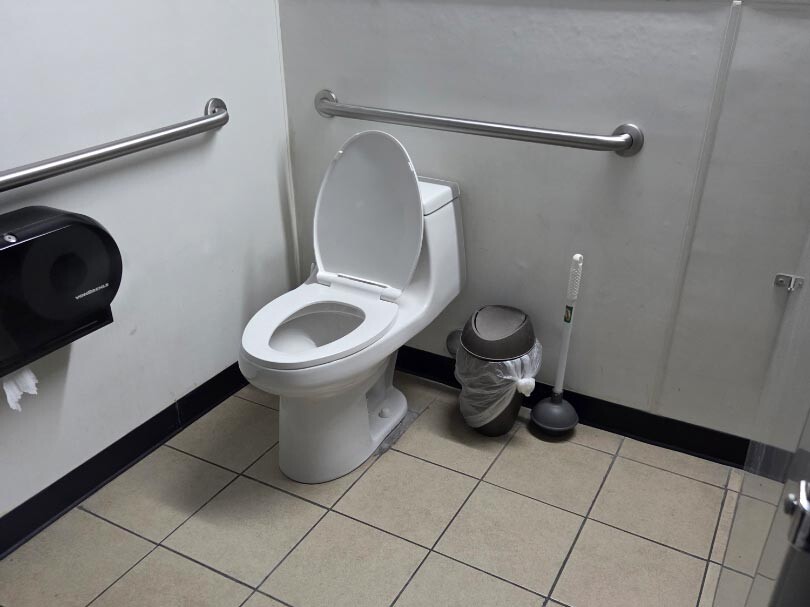
Gas stations deal with substances that, if not properly managed, create genuine hazards: petroleum products, motor oil, hydraulic fluid, and other automotive chemicals that accumulate on forecourt surfaces, drain areas, and in service bays. Fuel spills and oil slicks on concrete are slip-and-fall hazards. Poor drainage maintenance can lead to standing water. Restrooms that aren’t regularly sanitized breed bacteria and become sources of complaints and, in the worst cases, regulatory action.
A slip-and-fall on a greasy pump island is more than an inconvenience, it’s a liability. A failed health inspection because of restroom conditions can result in fines, mandatory closures, and very public consequences in the age of online reviews. These aren’t edge cases. They’re routine outcomes for stations that approach cleaning as an afterthought rather than a priority.
The good news is that all of it is preventable with a consistent, professional cleaning program.
The Inspection Problem Nobody Wants
Gas stations are subject to oversight from multiple directions: local health departments, fire marshals, environmental regulators (especially around fuel spill management and drain protocols), and in some cases, franchise inspectors if the station operates under a branded fuel agreement. Cleaning failures can show up as violations across all of these inspections – and violations can be more than just a fine. They’re reputation damage, operational disruption, and, in the most serious cases, temporary or permanent closure.
Environmental compliance is especially important. Fuel residue that washes into storm drains is a violation of EPA regulations. Floor drains in service areas need to be maintained and cleared regularly. These aren’t areas where cutting corners is ever a safe bet.
Where Gas Stations Get Dirty (and Where Cleaning Gets Skipped)
One of the most common patterns we see when we start cleaning a gas station that hasn’t had professional janitorial services is that certain areas have been cleaned regularly while others have been essentially untouched for months or years. Here’s where the grime tends to accumulate at gas stations:
The Forecourt and Pump Islands
This is the most visible part of your station and also one of the hardest to keep clean. Fuel drips, oil from vehicles, bird droppings, and road grime build up on pump islands and the surrounding concrete daily. Without regular degreasing and pressure washing, this buildup becomes embedded in the concrete, making it harder to remove and more visible over time. The pump dispensers themselves – the surfaces customers touch hundreds of times a day – need regular wiping and disinfecting.
The Restrooms
Gas station restrooms are notorious for a reason. They see high traffic from customers who are often road-weary and in a hurry, which means they’re heavily used and rarely treated gently. Without daily professional cleaning, restrooms accumulate bacteria quickly. They’re also one of the most reviewed aspects of any gas station – customers will leave a one-star review over a dirty restroom even if their fuel experience was fine.
The Canopy
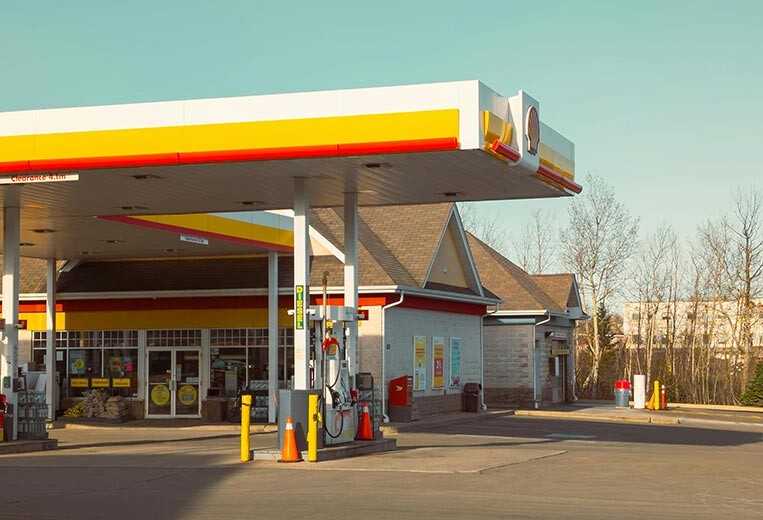
The overhead canopy that covers the pump islands collects exhaust soot, bird droppings, mold, and weathering over time. Most cleaning crews skip it because it requires equipment or technique they don’t have. But a grimy canopy is often the first thing a passing driver notices about your station.
The Concrete and Asphalt
Years of vehicle traffic, fuel spills, and weather leave parking lots and driving surfaces stained and degraded. Regular pressure washing and degreasing not only improve appearance, they extend the life of the surface itself, reducing resurfacing costs over time.
The C-Store Interior
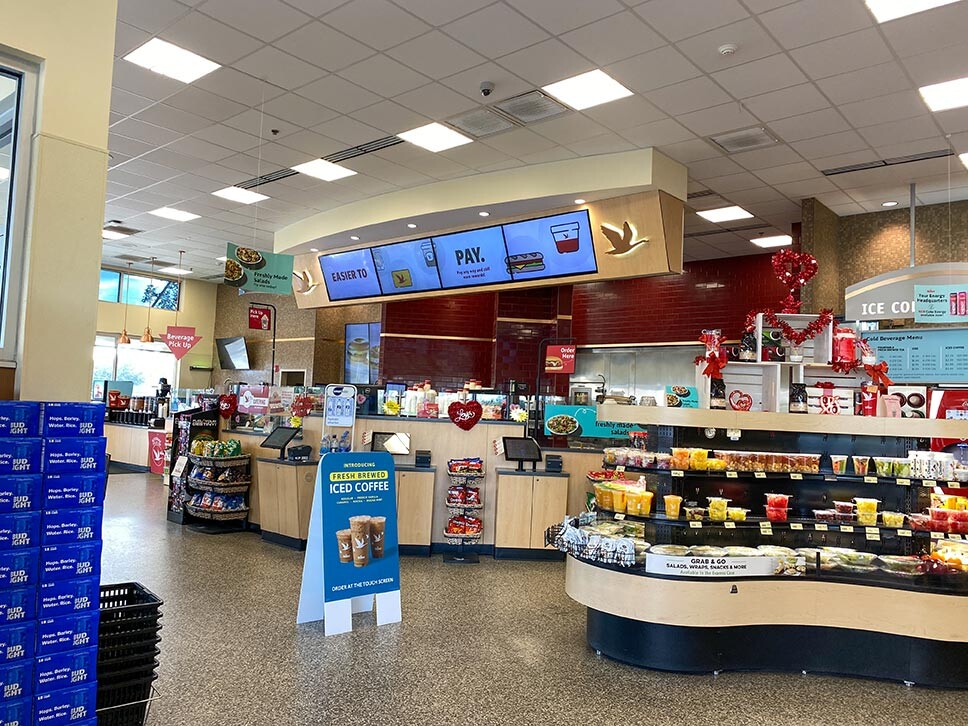
High-traffic retail interiors accumulate dirt fast. Floors near the entrance take the worst of it – tracked-in mud, water, and debris from every customer who comes through the door. Checkout counters, cooler door handles, and condiment stations are high-touch surfaces that need daily disinfection. The interior of a gas station convenience store should be held to the same cleaning standard as any other retail environment.
What Professional Gas Station Cleaning Actually Looks Like
A professional gas station cleaning program isn’t just a more thorough version of what your staff is already handling in-house – it’s structured completely different. Here’s what a comprehensive cleaning program should cover:
Daily:
- Pump island wipe-down
- Disinfection of card readers and touchscreens
- Restroom cleaning and sanitization
- Full mopping
- Fixture disinfection
- Supply restocking
- Interior floor cleaning
- Trash removal
- Window and glass cleaning at entries and storefronts
Weekly:
- Forecourt degreasing
- Pressure washing of pump pads and surrounding concrete
- Canopy wipe-down
- Exterior surface cleaning
- Parking lot sweep
- Spot-pressure washing of stains and spills
Monthly / Periodic:
- Deep cleaning of floor drains and catch basins
- Full exterior pressure washing of building walls, canopy structures, and signage
- Comprehensive degreasing of service bays or mechanic areas, where applicable
- Graffiti removal as needed
The specific frequency of each service should be calibrated to your station’s traffic volume, site layout, and operational hours. A high-volume station on a busy intersection needs daily forecourt attention. A smaller rural station may be able to cycle some services weekly or monthly. A professional cleaning company, like Business Cleaning Solutions, will evaluate your site and build a plan accordingly.
The Bottom Line: Cleanliness is a Revenue Strategy
A clean gas station isn’t just more pleasant to visit – it’s more profitable. Customers who feel comfortable coming inside spend more. Customers who trust the restrooms are more loyal. A station with a clean, professional appearance commands more attention from the road, attracts more impulse stops, and builds the kind of reputation that keeps customers coming back even when a competitor opens across the street.
And the flip side is equally true. A station with a reputation for being dirty – whether from word of mouth, online reviews, or just visual observation from the road – is already losing business it will never know about.
The cost of a professional gas station cleaning program is easily justified by what it protects: your revenue, your customers, your regulatory standing, and the long-term condition of your facility. It’s not overhead. It’s an investment with a measurable return.
Need a professional cleaning program for your gas station in Boise? Business Cleaning Solutions provides comprehensive gas station cleaning services – interior and exterior – with flexible scheduling designed around your operation. Contact us today for a free custom quote.