Walk through any struggling strip mall and you’ll notice a pattern. It’s not always the anchor tenant that went dark or the national chain that relocated. Often, the decline started somewhere more subtle: a parking lot that got grimier every year, a set of shared restrooms that no one wanted to use, a sidewalk in front of the storefronts that accumulated litter and stains.
Tenants noticed. Their customers noticed. And over time, some of those tenants decided that when their lease was up, they’d rather pay a little more for a cleaner, better-maintained property.
This isn’t a hypothetical. It plays out in retail real estate markets across the country. Property managers who treat common area maintenance and cleaning as a cost to minimize rather than a value to protect are quietly setting the conditions for higher vacancy rates, lower tenant quality, and a property that underperforms its market potential.
Here’s what’s really happening in the common areas of retail properties, why it matters more than most property managers realize, and what a professional cleaning program can do to turn it around.
Common Areas are Your Product – You Just Don’t Sell Them Directly
Tenants aren’t Just Leasing Square Footage
When a retailer signs a lease in your shopping center, they’re not just buying square footage inside four walls. They’re buying into the foot traffic your property generates, the customer experience your common areas create, and the reputation your property has in the market. Those factors are shaped by the cleanliness and maintenance of the shared spaces.
A tenant in a well-maintained strip mall benefits from a common area that encourages shoppers to linger, move between stores, and return. A tenant in a poorly maintained property contends with a common area that repels customers.
Dirty sidewalks, a parking lot that looks like an afterthought, restrooms that have an “out of order” sign more often than not. That tenant’s sales are affected by conditions outside their four walls. And when lease renewal time comes, they’ll tell you so – or they’ll just leave.
First Impressions Drive Foot Traffic – or Kill It
The decision to enter a shopping center happens in seconds from the parking lot. A shopper pulling in to a well-maintained property – clean lot, tidy storefronts, swept sidewalks – registers a sense of quality that makes them feel good about being there. A shopper who parks next to a grease stain, walks past an overflowing trash can, and sees storefront windows covered in dust is already having a different experience before they’ve even spent a dollar.
Research on retail environments consistently shows that shoppers who feel comfortable in a space spend more time there – and more time = more spending. The reverse is equally true. A neglected common area shortens visits and reduces per-shopper spending across every tenant in the property. The landlord who doesn’t invest in commercial cleaning solutions is, in effect, suppressing their tenants’ sales. Which eventually suppresses their own rental income.
The Leasing Tour Problem
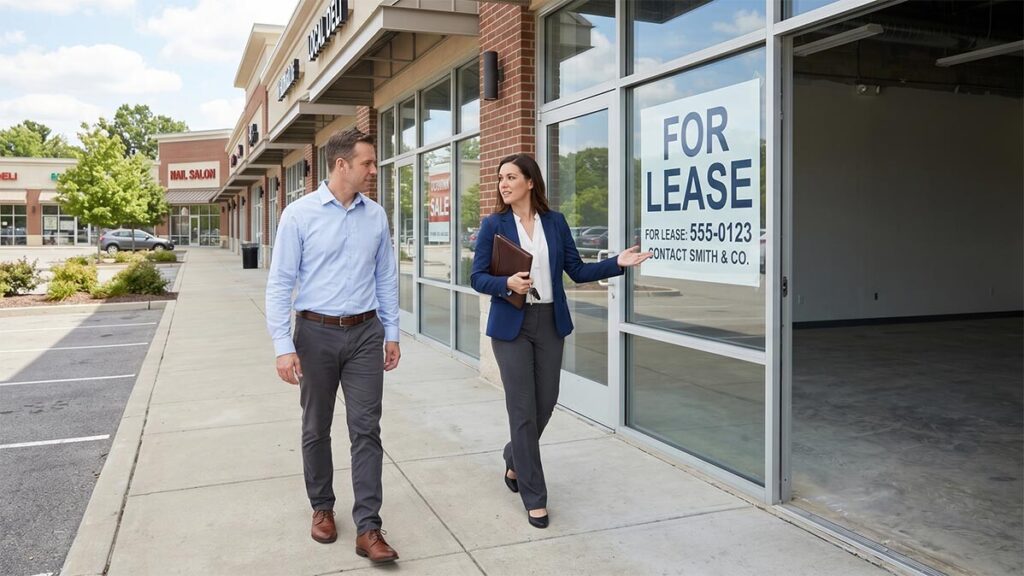
Every time you show a vacant space to a prospective tenant, they’re evaluating the common areas as much as the unit itself. A sophisticated retail operator – a regional chain, a franchise owner, a multi-location restaurateur – is making a business decision about where their customers will be comfortable spending money. If the parking lot is stained, the shared restrooms are questionable, and the sidewalks in front of neighboring tenants look neglected, that prospect is doing the math on whether your property is a good environment for their business.
Clean, well-maintained common areas are one of the most controllable factors in how a leasing tour goes. You can’t always control the tenant mix or the traffic counts, but you can control whether the property looks like management takes pride in it.
The Common Areas that Shoppers and Tenants Notice Most
Not every cleaning failure carries the same weight. Here’s where retail property common area problems tend to have the biggest impact:
The Parking Lot
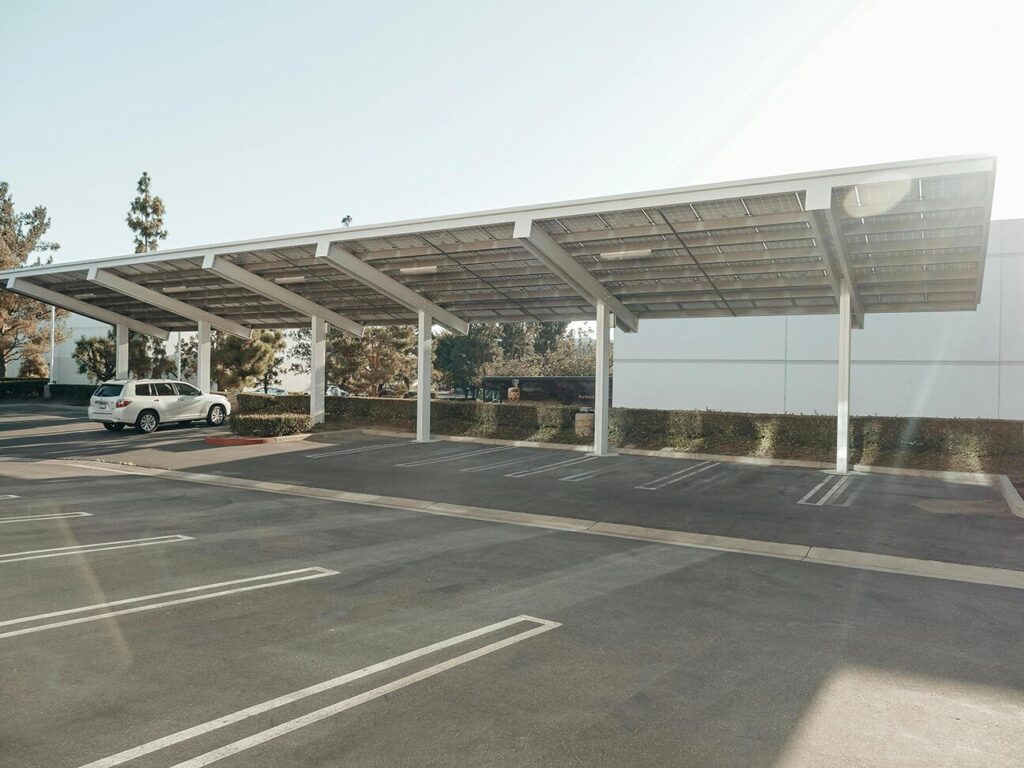
The parking lot is the first and last thing every shopper experiences. Litter, oil stains, faded striping, and overflowing trash receptacles in parking areas signal neglect immediately. In wet weather, a parking lot that hasn’t been properly maintained becomes an obstacle course of puddles and debris. Regular sweeping, litter removal, and periodic pressure washing keep the parking lot from actively undermining every other effort you make to maintain the property.
Shared Restrooms
If your retail property has shared public restrooms, their condition is one of the most talked-about aspects of the shopper experience, both directly with your tenants and indirectly in online reviews. Shoppers who need to use a restroom and find it poorly maintained will leave. They’ll tell friends. They’ll write about it. Tenants who hear consistent feedback from their customers about the restrooms will bring it to you at lease renewal.
Shared restrooms require professional daily cleaning and regular restocking. This is not an area where reducing service frequency to cut costs makes financial sense. The cost of the complaint and the potential tenant or customer it drives away far exceeds the cost of daily restroom cleaning.
Storefronts and Shared Walkways
The sidewalk and walkway in front of your tenants’ storefronts is part of the shopping experience for every customer who visits the property. Litter, gum on the pavement, stained concrete, and dirty storefront glass all reflect on the individual tenant, even though the tenant doesn’t control those surfaces. When your tenants’ customers have a poor sidewalk experience, your tenants notice. And they remember it.
Regular sweeping, gum removal, pressure washing, and storefront window cleaning along the shared walkways are among the highest-impact maintenance services a retail property can invest in. They’re visible, they’re felt by every customer, and they directly support tenant sales.
Trash Enclosures and Service Areas
Dumpster enclosures and rear service areas often get less attention than the customer-facing parts of the property, but they matter to your tenants. Tenants who use these areas daily. And they matter to health inspectors, who check them regularly. An overflowing trash enclosure creates pest attraction, odor issues, and a genuinely unpleasant work environment for tenant staff. Regular cleaning and deodorizing of trash areas is one of the most straightforward investments in tenant satisfaction a property can make.
Building Exteriors and Signage
Dirty building facades, stained canopies, and grimy awnings look bad. They make tenants’ signage look bad too. When a tenant has invested in professional signage to attract customers and it’s mounted on a building that hasn’t been pressure washed in years, the visual impression is diminished for both the tenant and the property. Regular exterior cleaning and graffiti removal keep the property looking sharp and protect the investments tenants have made in their own curb appeal.
Building a Common Area Cleaning Program That Actually Works
Effective retail common area cleaning isn’t just about responding to problems – it’s about a scheduled, consistent program that prevents the problems from accumulating in the first place. Here’s how to think about structuring it:
Daily:
- Parking lot litter removal and spot-cleaning
- Shared restroom cleaning, sanitization, and restocking
- Sidewalk and walkway sweeping in front of tenant storefronts
- Common area trash can emptying and liner replacement
Weekly:
- Full parking lot sweep and pressure-wash of spot stains and spills
- Storefront window cleaning along shared walkways
- Trash enclosure cleaning and deodorizing
- Stairwell and covered breezeway cleaning in multi-level properties
Monthly/Seasonal
- Full exterior pressure washing of building facades, canopies, and awnings
- Comprehensive parking lot pressure washing
- Graffiti removal from all exterior surfaces
- Deep cleaning of shared restrooms (grout, fixtures, drains)
- Outdoor furniture and amenity area cleaning
The right cleaning frequency depends on your property’s size, traffic volume, tenant mix, and regional climate. A high-traffic urban retail plaza near a major intersection has different needs than a neighborhood strip center serving a suburban community. Business Cleaning Solutions will assess your specific property and design a program tailored to your site.
The Property that Cleans Well, Leases Well
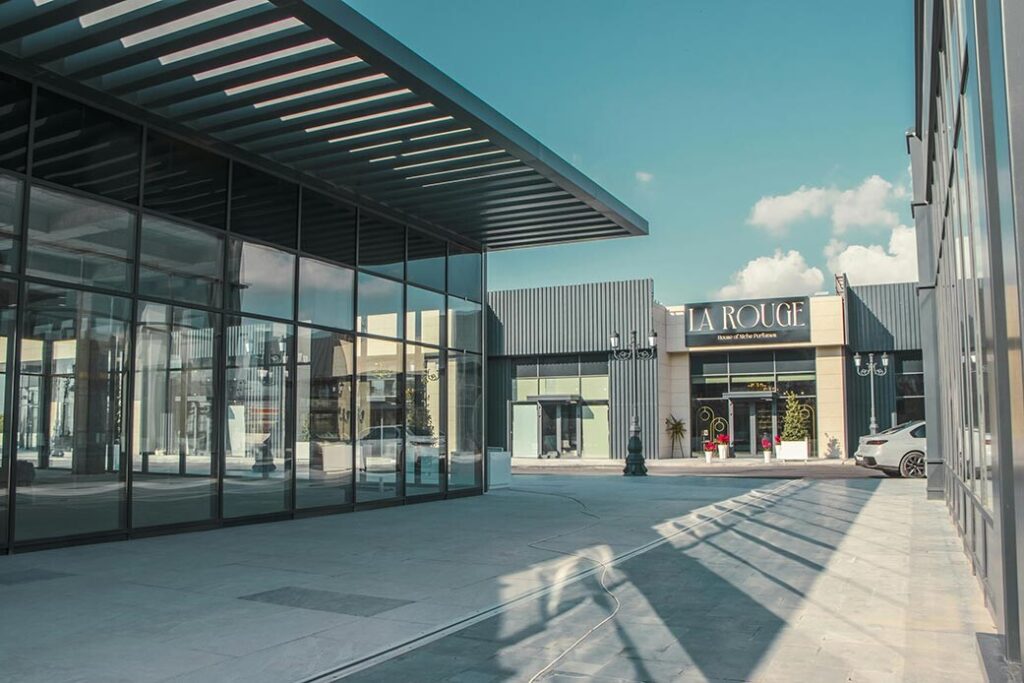
The best retail property managers understand that common area maintenance is a competitive advantage, not just a line on the expense ledger. A property that is consistently well-cleaned and well-maintained is more attractive to quality tenants, more comfortable for shoppers, and more defensible in the market when a competitor opens nearby.
The tenants that every retail landlord wants – the established brands, the successful independents, the operators who drive traffic and pay rent on time – are evaluating your property’s management quality through its common areas. A clean, well-maintained property communicates that management is professional, attentive, and invested. That’s the kind of property quality tenants want to be part of.
And the cleaning investment required to achieve that standard is modest compared to the revenue impact of a single lease renewal, a single high-quality new tenant, or simply the steady, compounding effect of a property where shoppers feel comfortable and come back often.
Clean common areas don’t just attract shoppers. They retain tenants. And retained tenants, in retail real estate, are everything.
Business Cleaning Solutions provides professional retail common area cleaning services for strip malls, shopping centers, and retail plazas in Boise and surrounding areas – inside and outside, on a schedule built for your property. Contact us for a free quote.