


A floor is far more than a functional surface; it’s a critical component of your commercial space’s appearance, safety, and long-term asset value. Well-maintained floors reflect professionalism, enhance your brand image, and create a safer, more welcoming environment for employees, clients, and visitors. Business Cleaning Solutions emphasizes that proactive floor care can “prolong the look and life of hard surface flooring,” protecting your investment and minimizing costly replacements.
Many business owners, however, are surprised to learn that commercial floor cleaning rates cannot be distilled into a simple dollar-per-square-foot figure over the phone. Each facility is unique, and the final price depends on measurable factors such as floor type, condition, traffic patterns, and specialized service requirements. Understanding these variables is essential for making informed decisions and ensuring the most cost-effective, high-quality service.
In this guide, we’ll explore the essential factors that affect commercial floor cleaning rates, explain the difference between routine maintenance and restorative services, and highlight how a customized plan ensures your floors remain clean, safe, and visually appealing.
Initial Rate Averages
While every commercial cleaning project is unique, providing general ranges helps set expectations. These figures are starting points and will vary depending on the factors discussed in this guide.
Basic Janitorial Floor Care
Routine services like sweeping, mopping, buffing, and light scrubbing typically fall in the lower range of commercial floor cleaning. This type of maintenance is essential to keep floors safe and presentable but does not address deep soil or wear.
Restorative Services
Deep cleaning, stripping, waxing, sealing, and polishing are higher-level services that require specialized equipment, labor, and materials. These services are often performed less frequently but have a significant impact on longevity and appearance.
Pricing Structure Models
Commercial cleaning companies generally charge in one of two ways:
- Per Square Foot: Ideal for regular, ongoing maintenance contracts. Pricing scales predictably with facility size.
- Hourly Rate: Common for specialty services, first-time cleans, or facilities with complex requirements that cannot be quantified by square footage alone.
The 5 Core Factors Driving Commercial Floor Cleaning Rates
The final cost for professional floor care depends on several critical variables. Each factor directly impacts labor, equipment use, and the overall service approach.
1. The Type of Flooring and Required Service
Floor Material Matters: Different flooring materials require unique cleaning methods, chemicals, and equipment. The complexity of the process influences both labor and materials costs.
- Vinyl Composition Tile (VCT): Stripping, waxing, and sealing are labor-intensive and often cost more due to the specialized techniques required.
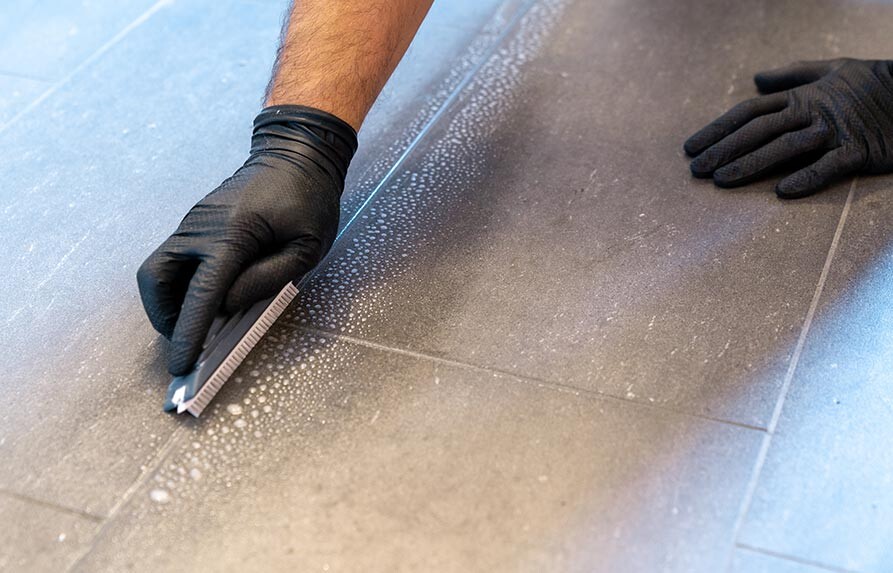
- Ceramic/Porcelain Tile & Grout: Cleaning grout lines thoroughly requires high-pressure or rotary machines.
- Concrete: Industrial concrete surfaces need degreasing, scrubbing, and sometimes polishing or sealing.
- Wood/Laminate: Sensitive to moisture; cleaning requires low-moisture techniques to prevent warping or damage.
Restorative vs. Maintenance Cleaning:
- Restorative Cleaning: Includes deep cleaning, stripping, waxing, or heavy grout work. Performed infrequently, these services are higher in cost but essential for extending floor life.
- Routine Maintenance: Regular mopping, buffing, and light scrubbing reduce wear, prevent buildup, and are more cost-effective per visit.
2. Total Square Footage and Layout Complexity
Size Matters—but Layout Can Increase Costs: Large facilities often benefit from lower per-square-foot rates due to economies of scale. However, obstacles like furniture, machinery, narrow hallways, multiple levels, and tight corners complicate the cleaning process. Complex layouts may require more time and smaller equipment, increasing the overall cost despite the size advantage.
3. Cleaning Frequency and Contract Length
The Discount Factor: Regular, contracted service reduces per-visit costs. Weekly, bi-weekly, or monthly schedules prevent deep soil accumulation, minimizing the need for restorative services.
Why It Matters: Preventing buildup preserves the floor finish, extends its lifespan, and reduces emergency cleaning expenses. Business Cleaning Solutions emphasizes that “maintenance is cheaper than replacement,” and consistent service ensures the floor remains visually appealing and safe.
4. Level of Soil and Facility Type
Traffic and Use: The type of facility heavily impacts cleaning needs:
- High-Traffic/High-Soil Areas: Warehouses, gyms, and industrial sites face oil, rubber, and grime accumulation, requiring more intensive labor and cleaning agents.
- Low-Traffic Areas: Offices, small retail stores, and data centers experience less wear and need lighter, routine maintenance.
Initial Condition: Floors neglected over time may require extensive prep work, stripping, or restoration before standard cleaning can maintain their condition. First-time cleans are often more expensive due to this added labor.
5. Equipment, Insurance, and Professional Labor
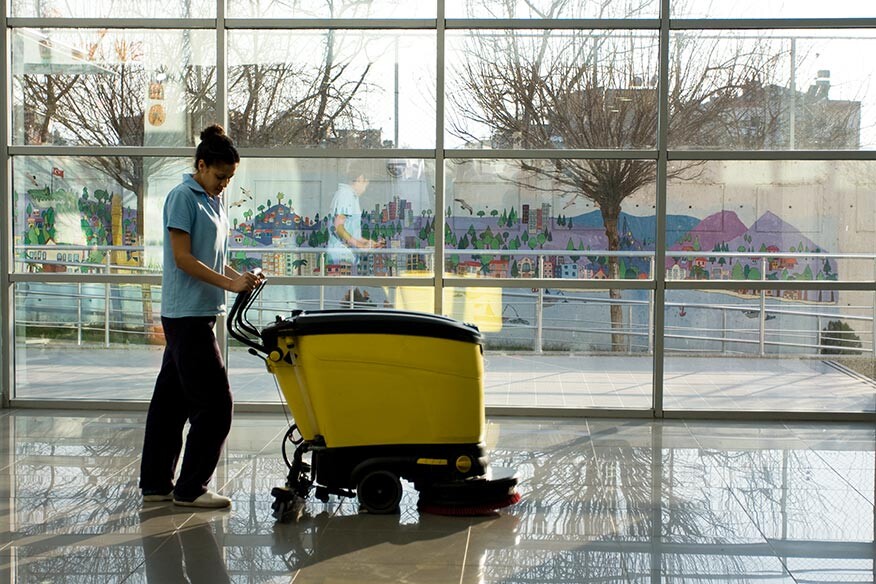
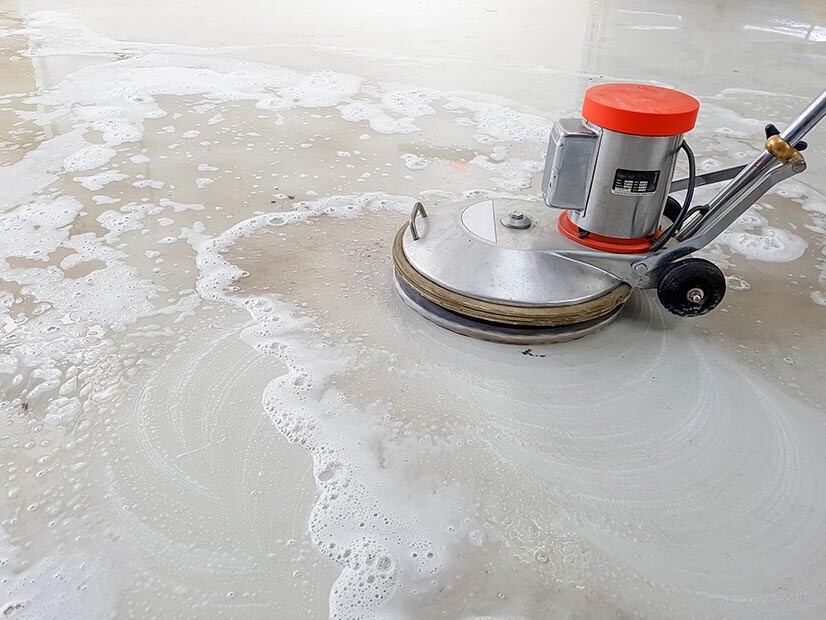
The Value of Professional Tools: Commercial floor cleaning relies on advanced equipment such as auto-scrubbers, high-speed buffers, rotary machines, and specialty strippers. These machines improve efficiency, cleaning quality, and consistency.
Liability and Professional Labor: Labor costs include insurance, workers’ compensation, and training. Using untrained personnel may result in damage to the flooring, equipment, or employee injury. Hiring an insured, professional team like BCS ensures protection for the client and peace of mind.
The Business Cleaning Solutions Value Proposition
Customized Floor Maintenance Plans
BCS creates tailored cleaning plans based on a detailed site audit. These plans account for floor type, traffic patterns, facility layout, and client budget. Every floor receives a strategy designed to optimize appearance, lifespan, and long-term cost-efficiency.
Proactive Audits and Communication
BCS prioritizes transparency and proactive service. Regular check-ins, facility assessments, and flexible communication prevent surprise costs and maintain a consistent floor standard.
Green Cleaning Practices
Whenever possible, BCS uses eco-friendly, safe cleaning agents that protect staff, visitors, and the environment while effectively maintaining the floor’s finish and hygiene.
FAQs: Commercial Floor Cleaning Rates
Q: How often should commercial floors be cleaned?
A: Frequency depends on traffic and floor type. High-traffic areas may need daily or weekly cleaning, while low-traffic offices may only require bi-weekly or monthly service.
Q: What’s the difference between restorative and routine cleaning?
A: Restorative cleaning involves stripping, waxing, or deep grout cleaning, while routine cleaning focuses on maintenance like mopping, buffing, and light scrubbing.
Q: Do cleaning rates vary by flooring type?
A: Yes. Vinyl, tile, concrete, and wood require different methods, chemicals, and equipment, impacting labor time and cost.
Q: Does facility layout affect price?
A: Yes. Narrow hallways, multiple levels, and obstacles increase cleaning time and complexity.
Q: Can commercial floor cleaning be scheduled outside business hours?
A: Absolutely. Many facilities require evening, weekend, or early-morning cleaning to minimize operational disruption.
Conclusion
Commercial floors are more than functional surfaces—they’re assets that reflect your business’s quality and professionalism. Understanding the factors that influence commercial floor cleaning rates ensures you make informed decisions that protect your floors, your budget, and your reputation.
Partnering with a professional company like Business Cleaning Solutions provides:
- Tailored maintenance plans for each facility and floor type.
- Expertise, efficiency, and insured labor for safe, reliable service.
- Eco-friendly solutions that preserve the environment and floor integrity.
Business Cleaning Solutions proudly serves commercial clients in Boise, Idaho, and Salt Lake City, Utah, providing expert cleaning for offices, warehouses, retail spaces, and industrial facilities.
Don’t guess on rates or risk your floors’ longevity. Contact Business Cleaning Solutions today for a custom floor maintenance quote and discover the true value of professional commercial floor care.