


Maintaining a spotless and hygienic medical environment is far more than a matter of appearance—it directly affects patient safety, regulatory compliance, staff performance, and the overall success of your healthcare facility. Whether you run a hospital, clinic, dental office, urgent care center, or specialty practice, the cleanliness of your space shapes how people feel the moment they walk through the door.
Professional medical cleaning services play a critical role in keeping healthcare environments safe, healthy, and fully compliant with industry standards. In this comprehensive guide, we break down the five essential benefits of medical cleaning services, explain how specialized cleaning supports both staff and patients, and show why outsourcing your cleaning needs to trained professionals is one of the most important investments your facility can make.
1. Enhanced Health and Infection Control
One of the most important benefits of medical cleaning services is their ability to protect health by controlling the spread of germs. Medical settings naturally experience more exposure to contagious illnesses, bodily fluids, high-touch surfaces, and areas where illness can easily spread. Because of this, medical spaces must be cleaned to a much higher standard than general office or commercial buildings.
Professional Cleaning Reduces Germs, Viruses, and Bacteria
A professional medical cleaning team uses specialized disinfectants and cleaning methods designed specifically for healthcare settings. These products are formulated to reduce germs that are commonly found on:
- Exam tables
- Waiting room chairs
- Light switches and doorknobs
- Restrooms
- Diagnostic equipment
- Reception counters
- Floor surfaces
- Break rooms
- Patient check-in stations
Because these areas experience constant contact, they can become hotspots for spreading illness when they aren’t properly disinfected.
Specialized Tools and Methods
Medical cleaning teams rely on advanced tools that general janitorial teams may not use. These include:
- Hospital-grade disinfectants
- Color-coded cloth systems to avoid cross-contamination
- HEPA-filtered vacuums that trap airborne particles
- Microfiber cleaning systems for better germ removal
- Touch-free restroom cleaning equipment
Each cleaning task follows a step-by-step method so no surface is missed.
Better Infection Prevention for Everyone
By keeping surfaces disinfected and preventing cross-contamination, professional cleaning reduces the chance of illnesses spreading to:
- Patients
- Visitors
- Medical staff
- Administrative employees
This helps protect everyone who enters your facility and contributes to safer overall patient care.
Reduced Absenteeism
Cleaner facilities mean fewer days lost to illness. Sick days cost the U.S. economy over $225 billion each year, and medical environments are especially vulnerable. By eliminating germs on high-touch areas, a professional cleaning team helps keep both staff and patients healthier and reduces disruption to daily operations.
2. Improved Patient and Staff Experience
A clean medical facility doesn’t only protect health—it also enhances comfort, trust, and confidence.
Patients Notice Cleanliness Immediately
When a patient enters your clinic or hospital, the cleanliness of the environment shapes their first impression. Even if the medical care is excellent, a poorly cleaned facility can cause:
- Loss of trust
- Lower satisfaction
- Anxiety or discomfort
- Fear that the facility is not hygienic
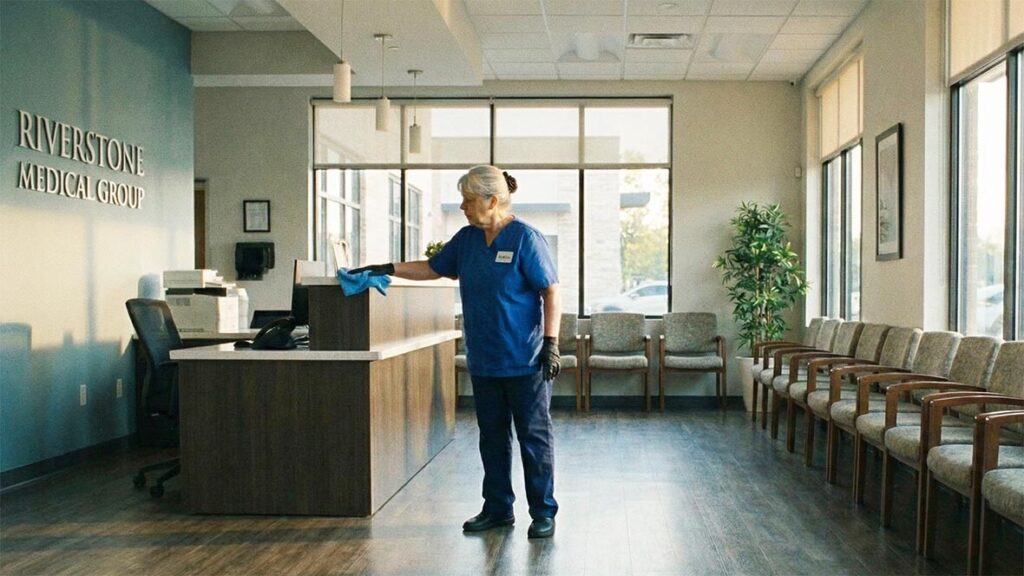
A spotless waiting area, shining floors, clean restrooms, and neat exam rooms help patients feel safe and cared for.
Cleanliness Improves Comfort and Satisfaction
Patients are more likely to feel relaxed and confident when the environment is:
- Fresh
- Organized
- Free of dust
- Free of visible debris
- Properly disinfected
This leads to higher satisfaction scores, better overall experiences, and a more positive relationship with your facility.
A Clean, Organized Space Helps Staff Perform Better
Medical staff already work in a high-stress environment. When the workspace is messy, dusty, or disorganized, job performance can suffer.
Cleaners help medical teams by providing:
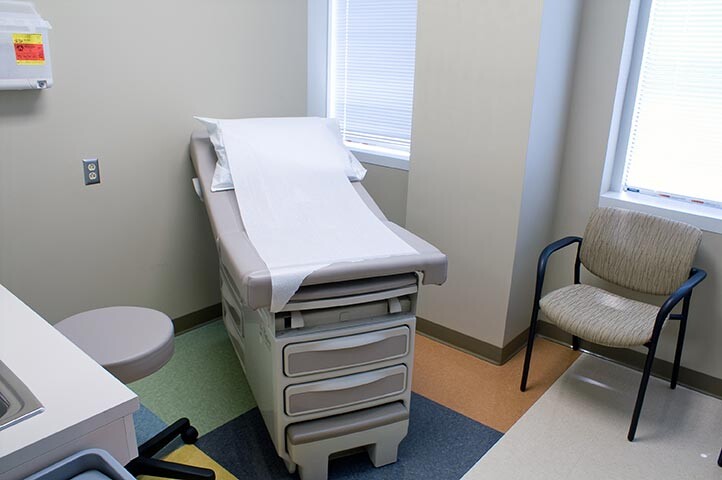
- Cleaner exam rooms to work in
- Well-stocked restrooms
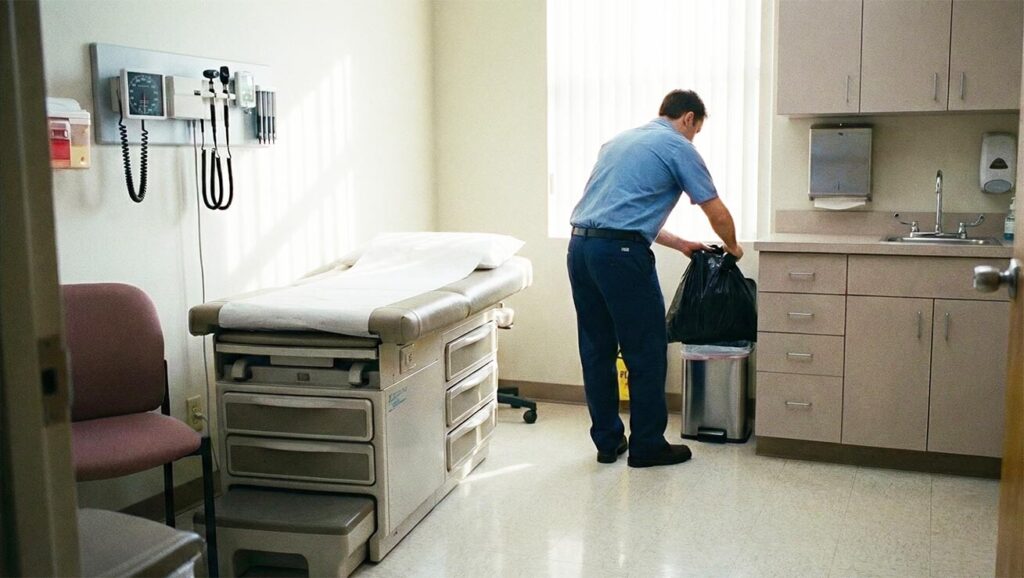
- Trash removal
- Sanitized break rooms
- Clear, clutter-free hallways
This reduces stress, helps employees focus, and builds confidence that the workplace supports their well-being.
Higher Morale and Better Employee Retention
Employees feel more valued when their workspace is cared for. Clean, disinfected facilities contribute to:
- Improved morale
- Lower stress
- Safer working conditions
- A greater sense of pride in the organization
A well-maintained facility helps employees feel respected and supported.
3. Increased Productivity and Focus
Clean medical facilities directly support better workflow and smoother operations. A well-maintained environment keeps both patients and staff focused on the right tasks.
Fewer Distractions
Dusty surfaces, overflowing trash bins, stained floors, or dirty restrooms all create unnecessary distractions that can reduce productivity. When these issues are eliminated, employees can focus fully on:
- Patient intake
- Room turnover
- Medical procedures
- Administrative tasks
- Communication
- Safety
- Coordination
Cleanliness supports efficient operations.
Reduced Sick Days = Higher Productivity
Illness-related absenteeism disrupts schedules, increases workload on remaining staff, and impacts patient care. Professional cleaning and disinfection significantly reduce:
- Flu transmission
- Common colds
- Stomach viruses
- Respiratory illnesses
- Surface contamination
Fewer sick days create a more stable, dependable workforce.
Smoother Patient Flow
A clean environment speeds up daily operations by:
- Keeping exam rooms ready for the next patient
- Ensuring restrooms stay stocked
- Preventing clutter in hallways
- Reducing equipment contamination
- Minimizing shutdowns for deep cleaning emergencies
This helps your facility maintain a steady, predictable flow.
4. Compliance and Regulatory Adherence
Healthcare facilities must follow strict cleaning standards. Professional medical cleaning teams are trained to meet these requirements.
Understanding Medical Cleaning Standards
Medical cleaning is guided by strict expectations set by:
- State and local health departments
- Industry guidelines
- Facility policies
- Safety requirements
Professional cleaning teams understand these standards and know how to implement them correctly.
Medical Cleaners Are Trained for Healthcare Settings
Professional medical cleaning teams receive specialized training in areas such as:
- Proper disinfectant dwell times
- Handling of contaminated materials
- Avoiding cross-contamination
- Cleaning of sensitive equipment
- Safe disposal of debris
- Use of approved cleaning products
- Sanitization of high-risk areas
This level of training helps ensure you meet all required cleaning expectations.
Consistent and Documented Cleaning Processes
Medical cleaning teams often follow cleaning checklists and routines that ensure each room is properly maintained. These include:
- Daily disinfection
- Weekly deep cleaning
- Monthly sanitation tasks
- Routine inspections
Consistent cleaning helps reduce the risk of non-compliance and keeps your facility prepared for inspections at any time.
Avoiding Regulatory Issues
Professional cleaners make it easier for healthcare facilities to remain compliant, reducing the risk of:
- Violations
- Complaints
- Fines
- Safety incidents
- Patient concerns
A properly maintained facility supports safe care and reliable operations.
5. Stronger Professional Image and Reputation
Cleanliness is directly tied to trust and credibility in the medical field. When a facility is well maintained, people feel safer, more comfortable, and more confident in the care they will receive.
Cleanliness Reflects Your Level of Professionalism
Medical environments need to demonstrate care at every level—including cleanliness. A clean facility communicates:
- Quality
- Safety
- Reliability
- Attention to detail
- Respect for patients
Even small issues like dusty vents or dirty floors can influence how patients feel.
Better Reviews and Word-of-Mouth
A clean facility encourages:
- Positive patient reviews
- Strong online ratings
- Referrals
- Repeat visits
Meanwhile, poor cleanliness is one of the fastest ways to damage a facility’s reputation.
Building Long-Term Patient Trust
Patients are more likely to return to a facility that feels:
- Safe
- Organized
- Clean
- Comfortable
A positive environment encourages loyalty and long-term trust.
Additional Benefits of Medical Cleaning Services
Beyond the top five advantages, professional medical cleaning services offer several additional benefits that support day-to-day operations.
Better Air Quality
Dust, allergens, and airborne particles collect quickly in busy facilities. Medical cleaners use HEPA-filtered vacuums and microfiber cloths to improve air quality in:
- Waiting rooms
- Offices
- Surgical or procedural rooms
- Hallways
- Patient rooms
Cleaner air supports healthier breathing and reduces irritation.
Extended Lifespan of Building Materials
Professional cleaning helps protect:
Regular maintenance reduces wear and tear.
Greater Efficiency Through Custom Cleaning Plans
Professional cleaning services design custom routines based on:
- Facility size
- Patient volume
- Room types
- Daily activity levels
This ensures each area gets the right level of care.
Medical Cleaning Breakdown
For maximum safety and hygiene, medical cleaning includes different types of recurring tasks.
Daily Cleaning Tasks
- Disinfecting all high-touch surfaces
- Cleaning and sanitizing restrooms
- Wiping counters, chairs, and exam tables
- Vacuuming or mopping floors
- Emptying trash and replacing liners
- Cleaning patient rooms between visits
- Tidying reception and waiting areas
Weekly Cleaning Tasks
- Deep cleaning of break rooms and staff areas
- Sanitizing equipment
- Dusting vents and blinds
- Machine scrubbing floors
- Cleaning glass doors and interior windows
Monthly Cleaning Tasks
- Disinfecting walls and baseboards
- Deep carpet cleaning
- Detail floor scrubbing in low-traffic rooms
- Cleaning ceiling vents and corners
- Full facility inspection for cleanliness
These routines ensure the entire facility stays clean, safe, and well maintained.
Conclusion
Medical cleaning services play a crucial role in keeping healthcare environments safe, healthy, and fully compliant with industry expectations. From preventing illness to improving patient satisfaction, supporting staff productivity, and building a strong professional image, professional cleaning delivers advantages that directly affect your facility’s success.
A clean medical environment is not optional—it is fundamental to quality care.
If you want to protect your patients, support your staff, and keep your facility running smoothly, professional medical cleaning services are one of the best investments you can make.